
A Happy Curmudgeon series.
Alongside the lying, cheating and stealing, I’ll call out the companies doing it right, and the habits that too many others get wrong.
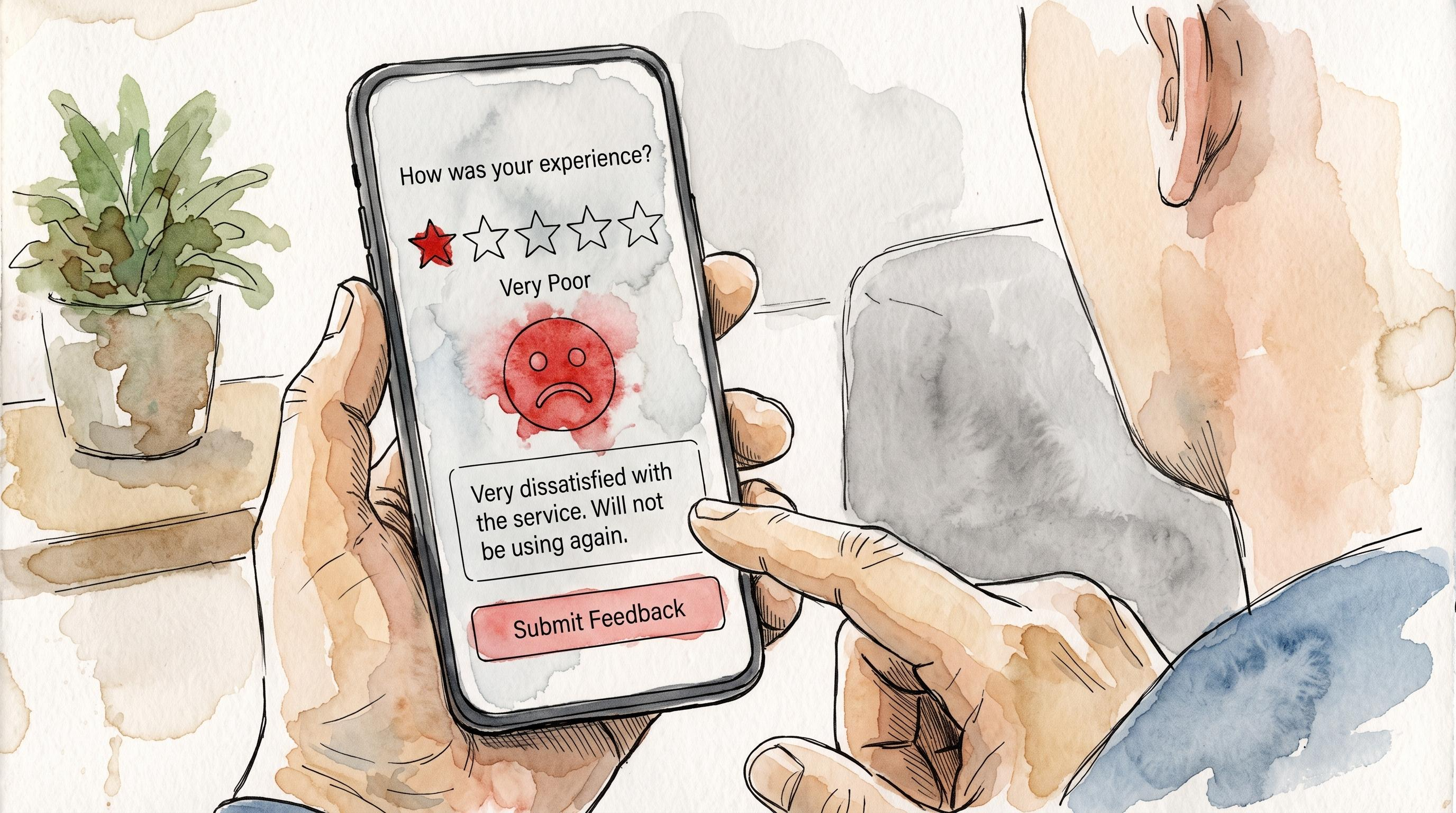
Some companies get so big that individual customers stop mattering to them. In corporate America these days, that seems to describe more companies every year.
If you’re a customer of one of these outfits, you’re a statistic, an order to be processed, a problem to be routed to the cheapest available fix (increasingly, an AI). And when you go shopping for an alternative, you sometimes discover the competition is about the same. Just a different flavor of indifference and/or incompetence.
My current example is Dexcom.
How it’s been going
When I started on Dexcom’s continuous glucose monitor (CGM) three years ago, it was my gold standard. Today there’s a ton of tarnish on that gold. Sensor after sensor has failed early, often enough that I’ve stopped being surprised when it happens.
Dexcom is very willing to replace failed sensors at no charge, and I give them credit for that. But, I’d like to know why they keep failing.
What’s on the public record
I’m not the only one with complaints.
In March 2025, the FDA sent Dexcom a warning letter citing problems with its manufacturing processes and quality management systems. The agency also found that Dexcom had changed a component of the coating on its G6 and G7 sensors without getting the required clearance, which made the affected sensors “adulterated” in regulator-speak. According to the FDA, sensors with the changed component were less accurate, creating higher risks for people who rely on them to dose insulin. Dexcom said at the time that it was “surprised” by the findings and that its changes were backed by “extensive testing.” It stopped distributing G7 sensors with the changed component.
In September 2025, the investigative outlet Hunterbrook Media reported that Dexcom’s own internal studies, according to FDA inspection documents, showed the new coating performed worse on “every accuracy metric,” and that Dexcom sold it anyway. Hunterbrook also collected accounts of users hospitalized after bad readings, and later flagged FDA adverse-event reports of deaths following G7 problems. Hunterbrook says Dexcom didn’t respond to its repeated requests for comment.
Some caveats are in order. Hunterbrook’s affiliated investment fund was betting against Dexcom’s stock when it published. FDA adverse-event reports are allegations, not proof of cause. And the class-action lawsuits that followed haven’t proven anything yet. The warning letter, though, came from the FDA itself.
There’s more. In 2025, Dexcom recalled more than 700,000 receivers because a manufacturing defect could keep the speaker from sounding low- and high-glucose alarms. The FDA classified it as Class I, its most serious category, and Dexcom reported 56 serious adverse events, including seizures and loss of consciousness. A separate Class I recall hit the G7 smartphone app for failing to alert users when a sensor stopped working. And in October 2025, Jake Leach, then Dexcom’s interim CEO, acknowledged a defect earlier that year that kept some G7 sensors from working after they were applied.
Put together, it looks to me like a company too focused on the bottom line instead of its customers.
A word to Jake Leach
Jake Leach became Dexcom’s CEO on Jan. 1 of this year, but he’s been with the company since around 2004, as chief technology officer and then president and chief operating officer. He was in senior leadership the whole time the G7 was built, launched and modified.
So, Mr. Leach, and the rest of Dexcom’s ownership and management: When I started with Dexcom, I trusted it. I don’t anymore. I’m weighing my options, either switching to your chief competitor or giving up on CGMs altogether. Three years ago, I wouldn’t have imagined considering either one.
The people on the phone
The one bright spot is Dexcom’s technical support team. Overall, they’re doing a competent, courteous job inside a system that makes it hard to do.
Since the calls are recorded, I’ve started stating plainly, for the record, my dissatisfaction with Jake Leach and the executive team. I figure there’s some chance somebody besides the rep on the line will eventually hear it.
I also go out of my way to separate the reps from the people they work for. I pass along kudos and tell them they’re part of the solution, even as their bosses are part of the problem. They hear plenty of anger all day, and most of it belongs upstairs.
When there’s nowhere else to go
With Dexcom, at least I have a choice, however imperfect. Plenty of organizations don’t give us one: tax authorities, utilities and the like. As everything gets more dysfunctional, finding real help from them gets harder, and you can’t take your business elsewhere when there is no elsewhere.
That kind of institutional indifference is a big part of what’s driving my new book, Wandering, Wondering Jew 2: Community Now More Than Ever. When the big institutions stop caring, it’s up to us to take care of each other.
In the meantime, I’ll keep calling, keep thanking the reps, and keep telling the recording exactly what I think. We’ll see if anybody upstairs is listening.
— The Happy Curmudgeon
Sources
How this post was made: I gave Claude, an AI assistant, my notes and experiences. It researched and fact-checked the public reporting on Dexcom and drafted this post, which I then reviewed and edited. The opinions, and the curmudgeonliness, are mine.
FDA warning letter on the G6/G7 coating change — MedTech Dive
“Dexcom’s Fatal Flaws” — Hunterbrook Media
Follow-up on reported deaths — Hunterbrook Media
Class I recall of Dexcom receivers — MedTech Dive
Dexcom execs say G7 quality problems are fixed — MedTech Dive
Dexcom G7 recalls summary, including app recall — Wisner Baum

